If you are planning a project on sandy or unstable ground in Saudi Arabia, one of the first questions you will ask is a simple one: how much does soil stabilization cost?
The honest answer is that there is no single price. Two sites with the same surface area can have very different budgets depending on the soil, the loads it needs to carry, and the method you choose. What we can do is show you exactly what drives the price, how the main methods compare over the life of a project, and how to get an accurate number for your specific site.
This guide breaks down all of it, based on Tathbeet's experience stabilizing industrial sites, access roads, slopes, and energy facilities across the Kingdom.
What Soil Stabilization Includes
Before comparing prices, it helps to know what you are actually paying for. A professional soil stabilization scope typically covers:
- Site assessment: analyzing soil type, load requirements, and site conditions
- Solution design: selecting the right method and product for the ground and the goal
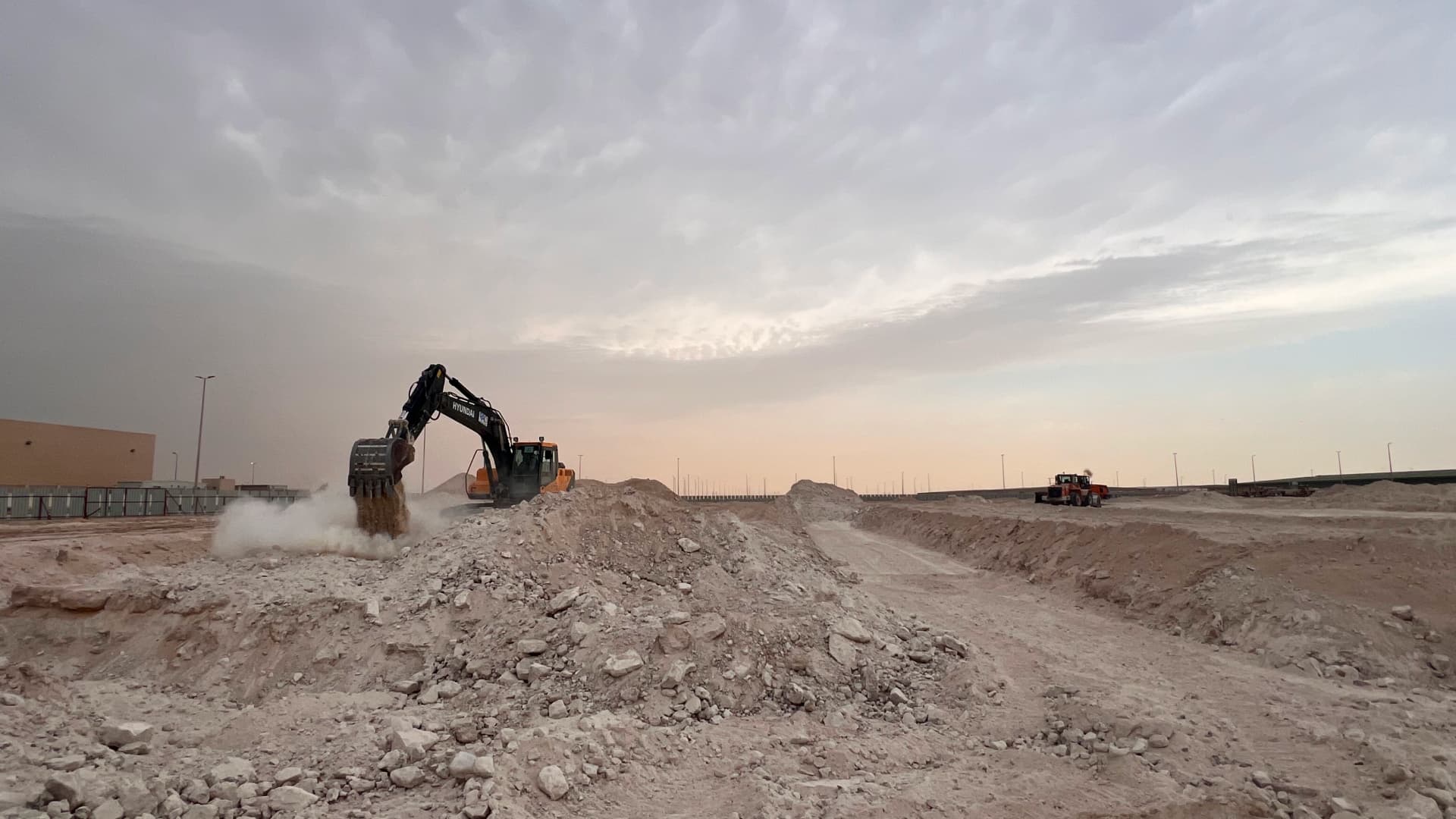
- Surface preparation: grading and preparing the area for treatment
- Application: applying and integrating the stabilizing agent into the soil
- Curing and handover: allowing the treated surface to reach full strength
A quote that only covers material supply is not comparable to a quote that covers the full engineered scope. Always confirm what is included.
The 6 Factors That Drive Soil Stabilization Pricing
1. Area of application
The total treated area is the biggest cost driver, but the relationship is not linear. Larger areas benefit from economies of scale: mobilization, equipment, and crew costs are spread across more square meters, which lowers the cost per square meter.
2. Soil type and condition
Sandy, silty, and mixed soils each behave differently. Loose dune sand, for example, may require a different product concentration than compacted marl. The soil dictates the treatment design, and the treatment design dictates the cost.
3. Load requirements
A surface built for occasional light vehicles is engineered and priced differently from one that carries loaded trucks every day. Higher load requirements mean higher product concentration, deeper treatment, and more rigorous compaction. At Tathbeet, this is often the difference between specifying T-30 and T-70.
4. Purpose of stabilization
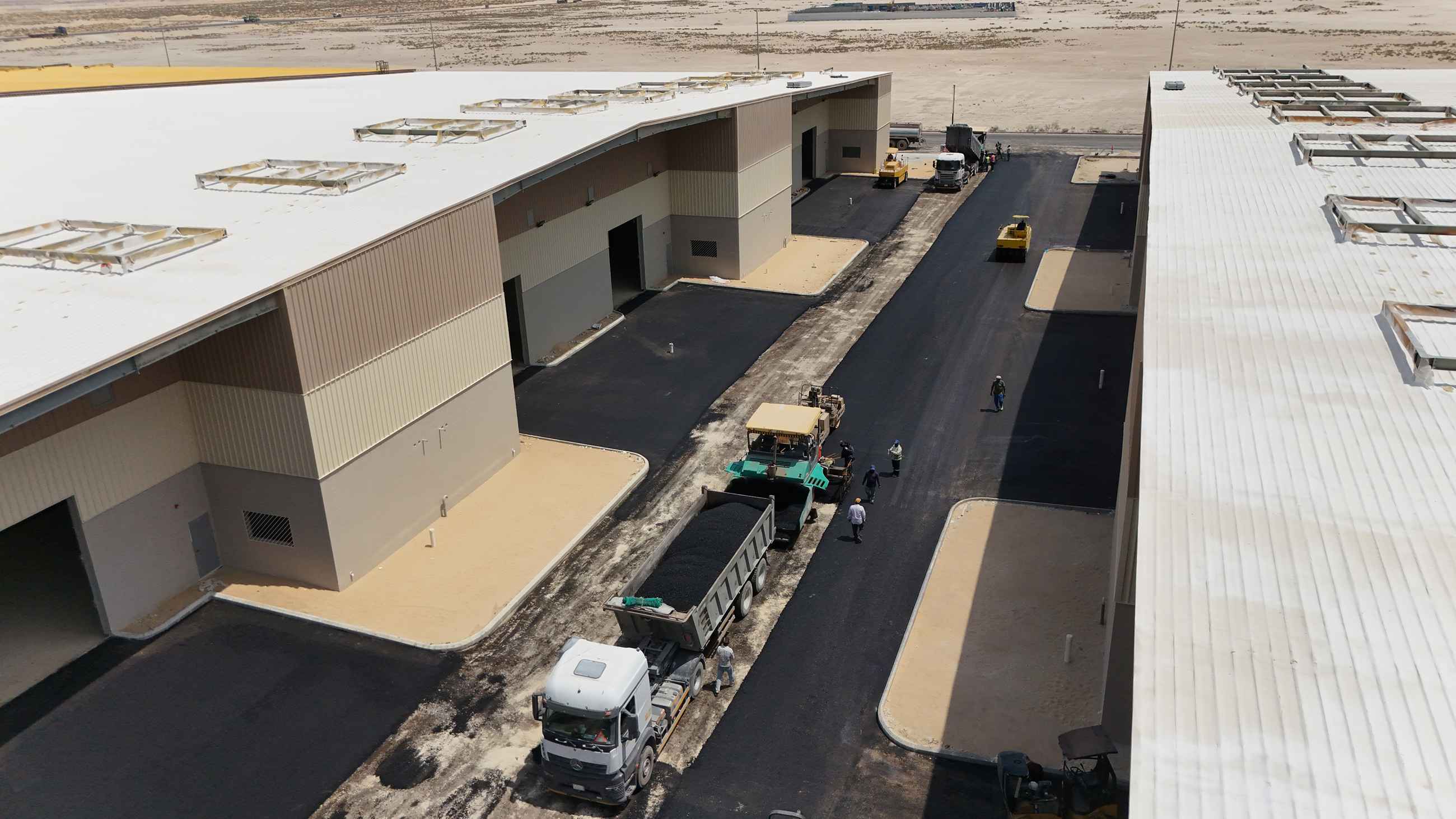
Dust control, erosion control, slope protection, and load-bearing surfaces are different scopes with different designs. A dust suppression layer over a laydown yard costs less per square meter than a fully engineered polymer road base.
5. Site location and accessibility
Remote desert sites carry higher mobilization costs than sites near urban centers. Water availability also matters: methods that depend on continuous water supply become significantly more expensive in remote areas, while low-water methods like polymer stabilization are less affected.
6. Timeline and season
Compressed schedules can require larger crews or extended shifts. Seasonal conditions play a role too: extreme summer heat affects water-based methods far more than polymer application, which is one reason polymer projects stay predictable year-round in the Kingdom.
Comparing the Real Cost of Stabilization Methods
The most common budgeting mistake is comparing methods on upfront price alone. The real comparison is lifecycle cost: what you pay on day one, plus everything you pay to keep the surface performing.
| Consideration | Water Spraying | Cement Stabilization | Polymer Stabilization (T-30 / T-70) |
|---|
| Upfront cost | Low | Medium to high | Medium |
| Recurring cost | Very high, continuous re-spraying | Medium, crack repair and patching | Low, minimal maintenance |
| Water consumption | Extremely high | High | Minimal |
| Durability in extreme heat | Hours to days | Prone to cracking | Flexible and durable |
| Speed of application | Fast but temporary | Slow, long curing | Fast deployment, quick curing |
| Environmental impact | High water waste | High carbon footprint | Eco-friendly and non-toxic |
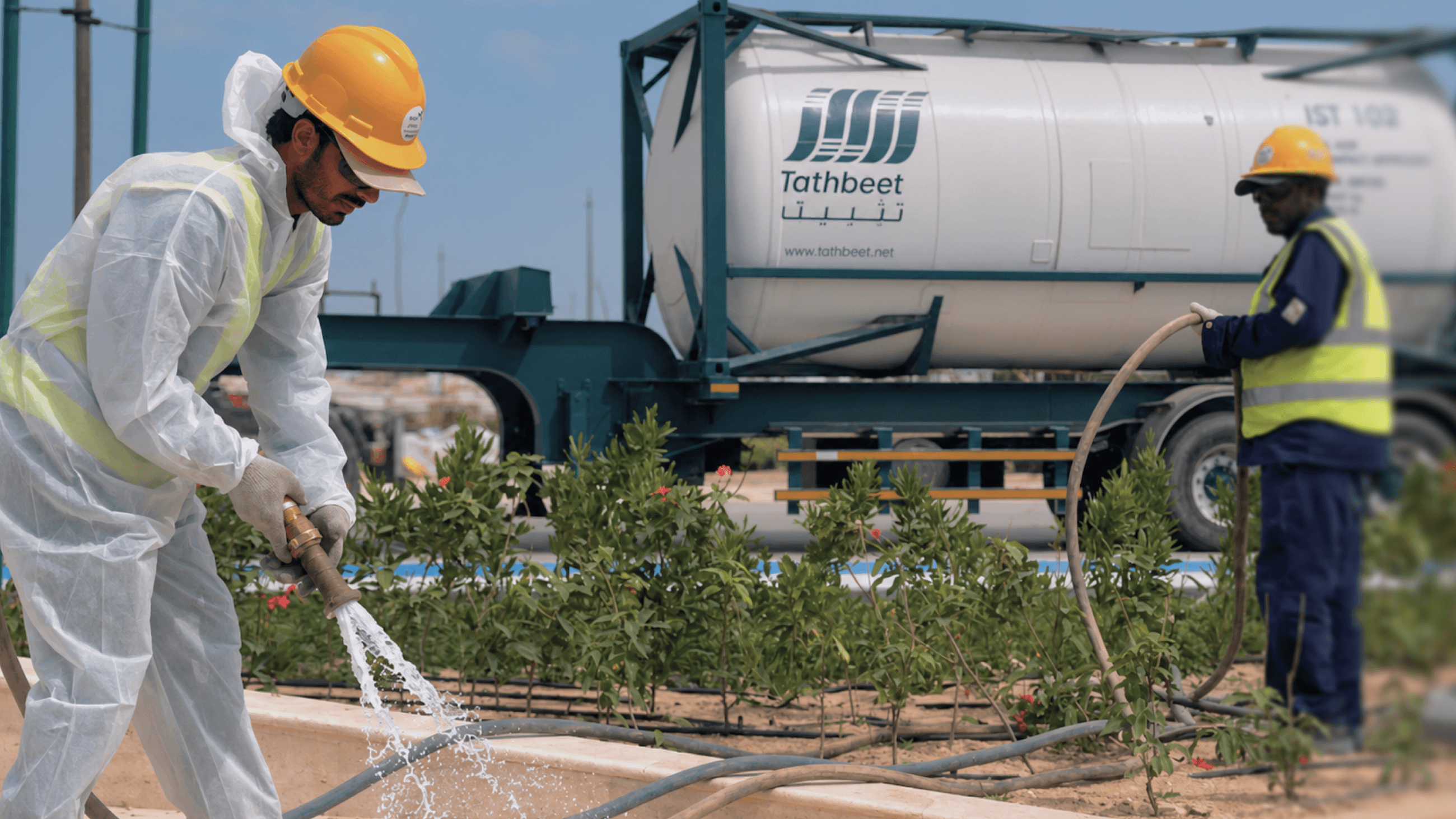
Water spraying looks cheap on paper and is the most expensive method over time. The effect lasts hours in summer conditions, which means the trucks, the water, and the labor never stop. On a multi-month project, recurring spraying costs routinely overtake what a permanent treatment would have cost.
Cement stabilization creates a rigid layer with a meaningful upfront cost. In Saudi conditions, rigidity is a weakness: thermal stress leads to cracking, and cracking leads to repair cycles. It also consumes significant water and carries heavy transport and logistics costs.
Polymer stabilization sits in the middle on upfront cost and at the bottom on lifecycle cost. One engineered application creates a flexible, durable, water-resistant surface with minimal water use and minimal ongoing maintenance.
Why the Cheapest Quote Is Rarely the Cheapest Outcome
When evaluating proposals, look past the headline number and ask:
- What is the expected lifespan of the treatment? A surface that lasts years beats a surface that needs re-treatment every season.
- What maintenance is required, and who pays for it? Re-grading, re-spraying, and patching are real costs that rarely appear in the initial quote.
- What does downtime cost you? Every re-treatment cycle interrupts operations. For solar farms, industrial yards, and access roads, that interruption has a price of its own.
- Is the treatment engineered for your loads? An underspecified surface fails early, and early failure is the most expensive outcome of all.
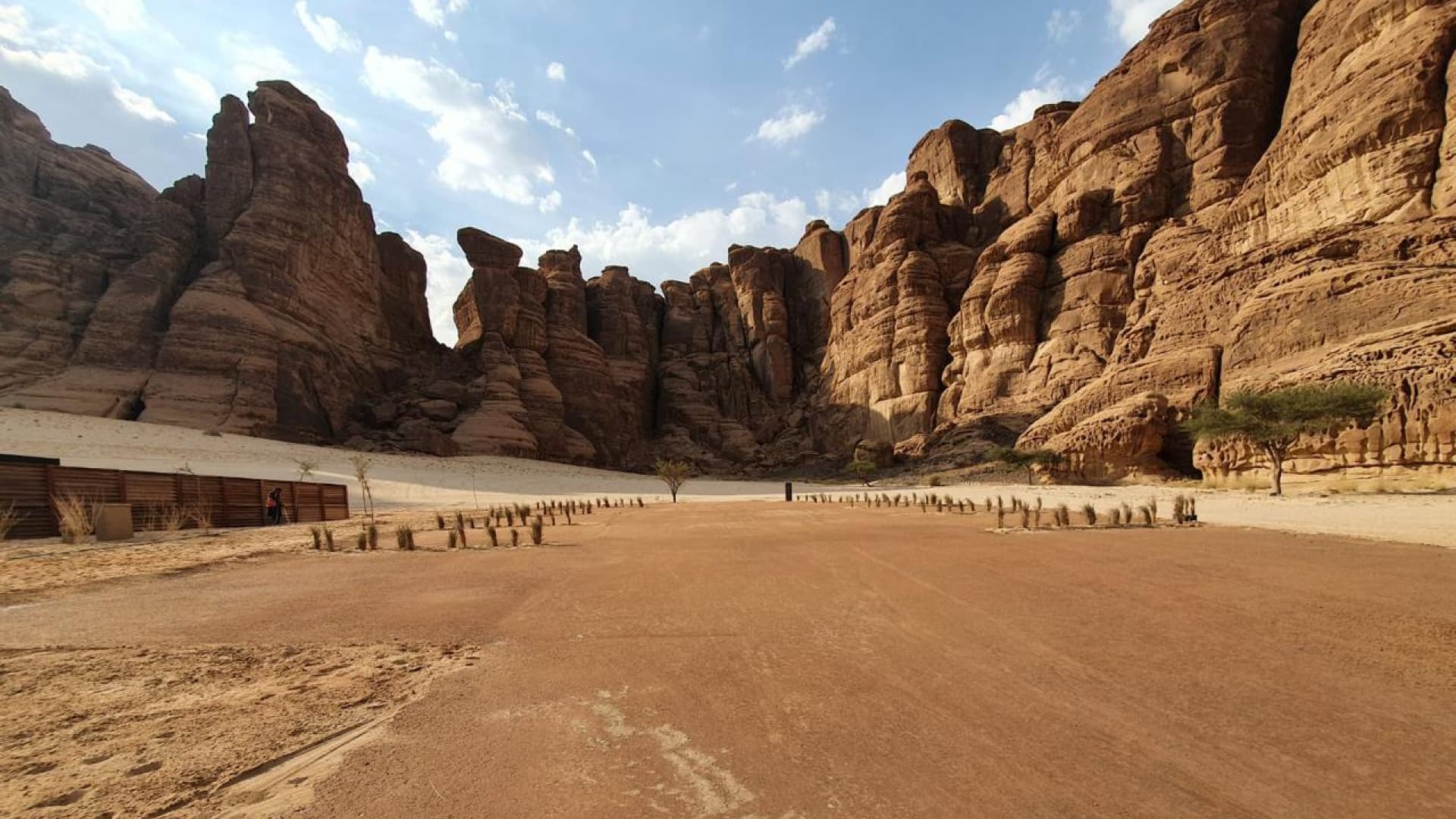
As a reference point for what proper engineering delivers: on a road project in AlUla, T-70 polymer treatment improved the soil's California Bearing Ratio (CBR) by 340 percent, turning weak ground into a load-bearing foundation in a single engineered application.
How to Get an Accurate Price for Your Site
Because every site is different, the only reliable number comes from a proper assessment. Here is how the process works with Tathbeet:
- Share your project details. Location, approximate area, intended use, and timeline.
- Site and soil assessment. We evaluate soil type, conditions, and load requirements.
- Solution design. We specify the right product, concentration, and application depth for your goal.
- Transparent proposal. You receive a clear scope with a defined outcome, not just a material price.
Frequently Asked Questions
Is polymer stabilization more expensive than cement?
Upfront costs are comparable and often lower for polymer once logistics are included. Over the life of the surface, polymer is typically the more economical choice because it avoids the cracking and repair cycles associated with rigid cement layers.
How long does polymer stabilization last?
A properly engineered polymer-stabilized surface is designed to perform for years, not seasons. Lifespan depends on loads, traffic, and site conditions, all of which are accounted for in the treatment design.
Can stabilization be applied during the Saudi summer?
Yes. Polymer application is significantly less sensitive to extreme heat than water-based or cement methods, which makes project schedules more predictable year-round.
What is the minimum project size?
Stabilization scales from small laydown areas to multi-hectare industrial sites. Smaller areas carry a higher cost per square meter due to fixed mobilization costs, which is worth factoring into project planning.
Does soil stabilization help with dust control compliance?
Yes. A stabilized surface suppresses dust at the source, which supports compliance with dust control regulations, including the newer requirements introduced in Riyadh.
Plan Your Budget on Solid Ground
The cost of soil stabilization is not a single number. It is a function of your site, your loads, and the method you choose. The projects that stay on budget are the ones that price the full lifecycle from day one.
Planning a project on sandy or unstable ground? Talk to Tathbeet. We will assess your site and give you a clear, engineered proposal.
Contact us: tathbeet.net · +966 13 847 5550